My first time ... Nature Museum Winterthur

From native animals and stones to a mummy in the belly of a ship: a Saturday afternoon at the Winterthur Nature Museum.

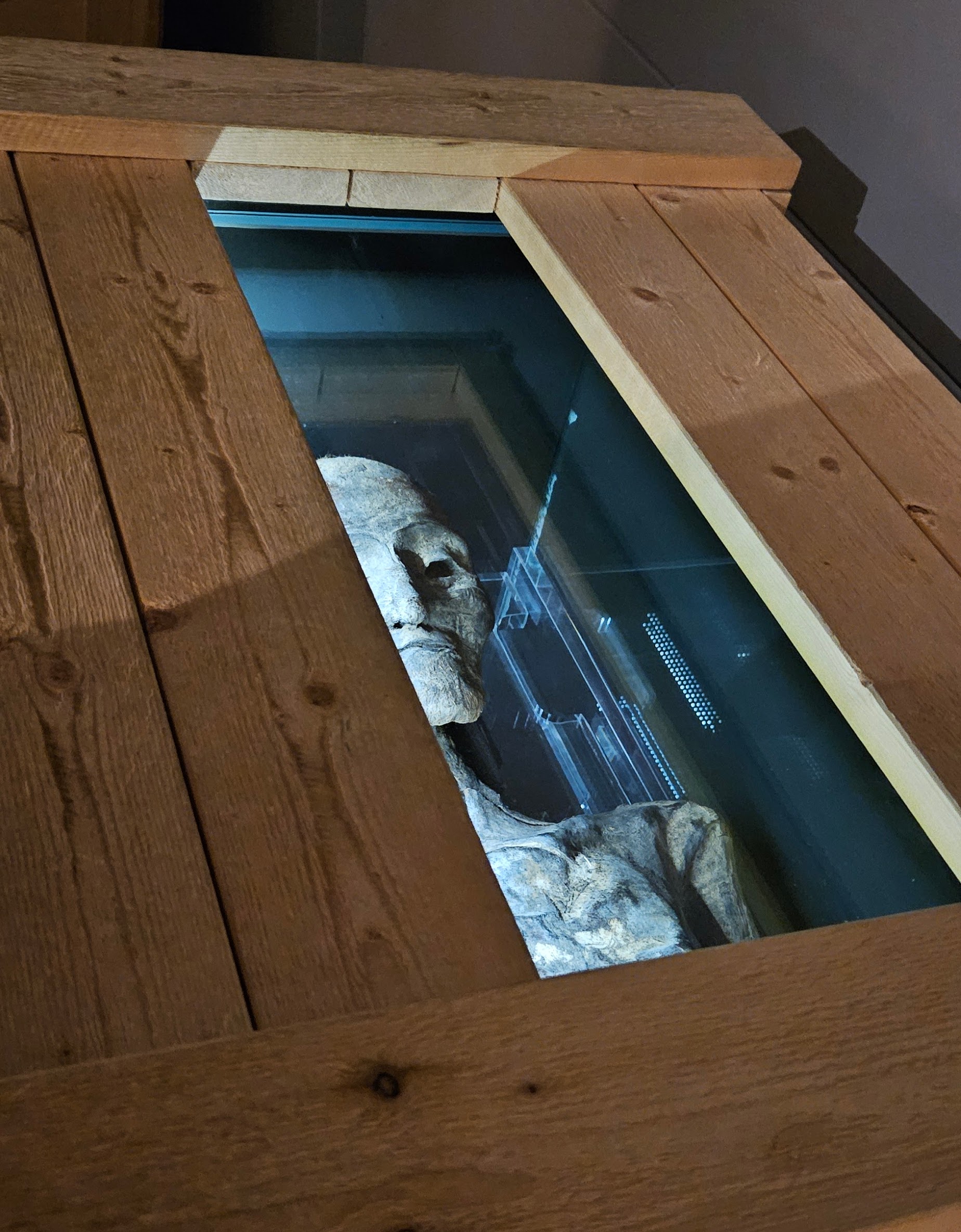
"You have to see the mummy!"

"You have to see the 2,500-year-old mummy in the ship!" recommends the enthusiastic museum employee at reception: we are a little confused, after all, we are here for the "Ice Age" exhibition, which is coming to an end soon.

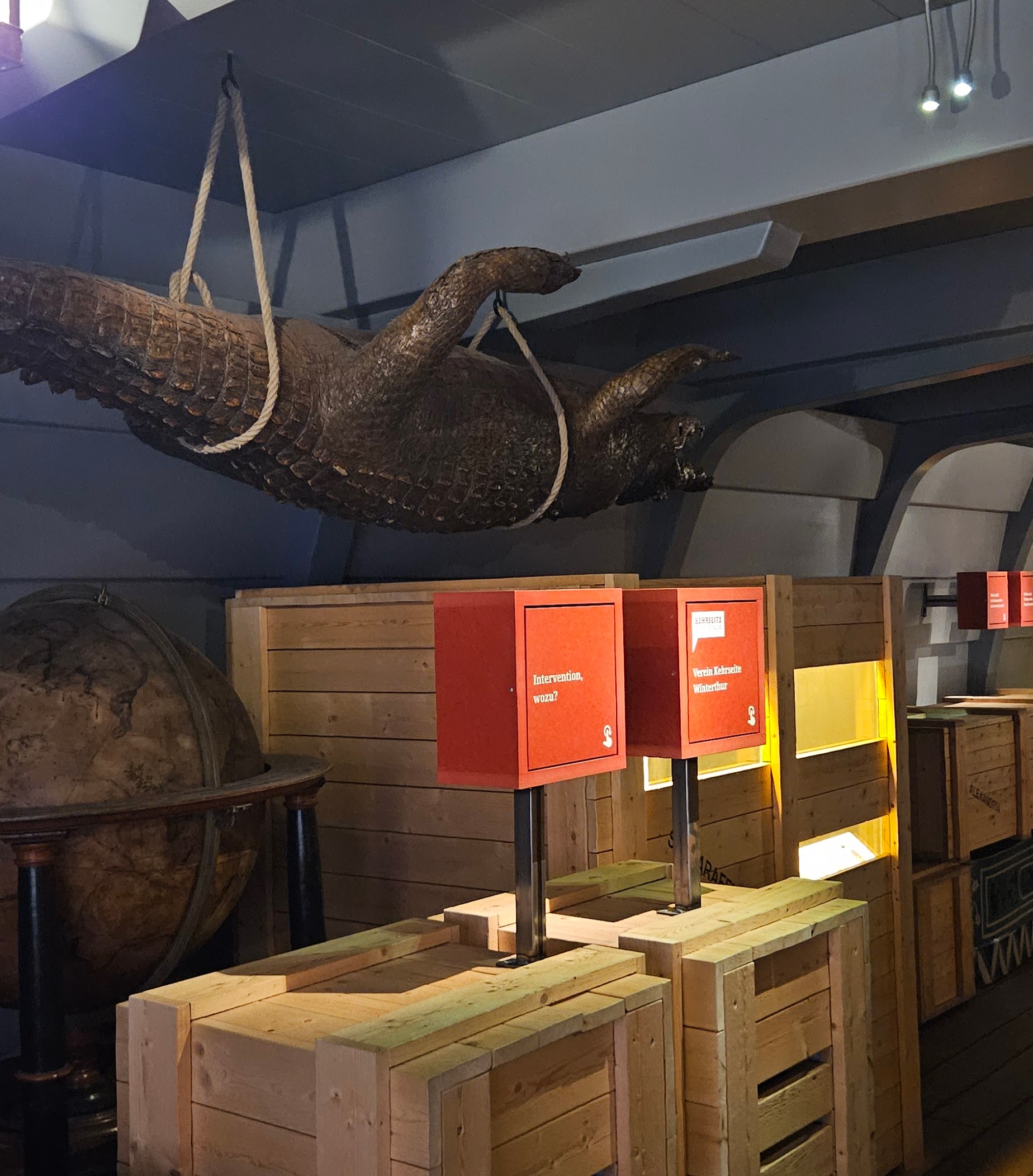
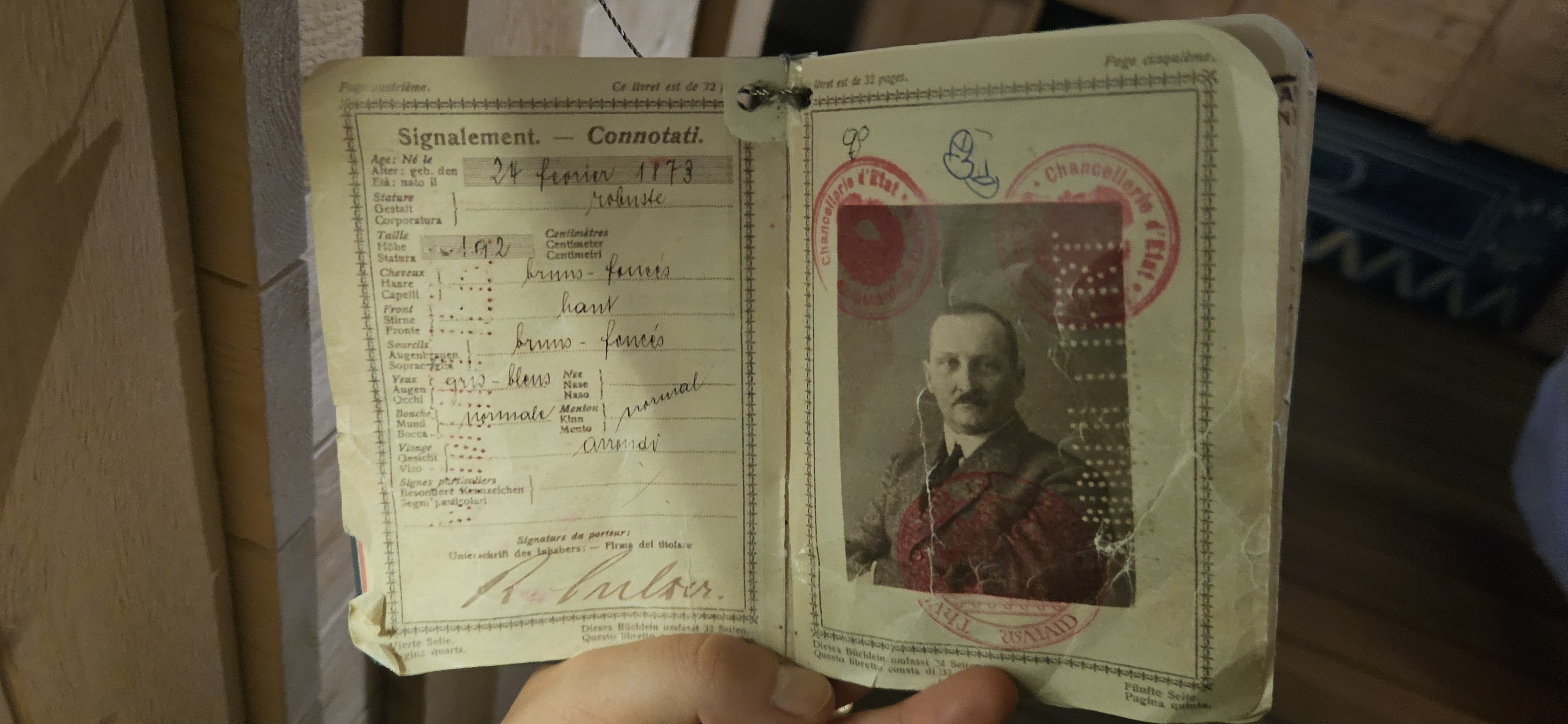
Mummy and ship? Our curiosity is piqued. After a little treasure hunt, we reach the "ship". And sure enough, we find ourselves in the belly of a ship that rocks, creaks and is full of wooden crates. These contain exotic souvenirs from merchants from the 19th and 20th centuries. The museum thus thematises the sometimes problematic origin of individual objects. Using these exhibits, the museum raises important questions about looted art and illustrates the topic, especially for children and young people.

A museum for children

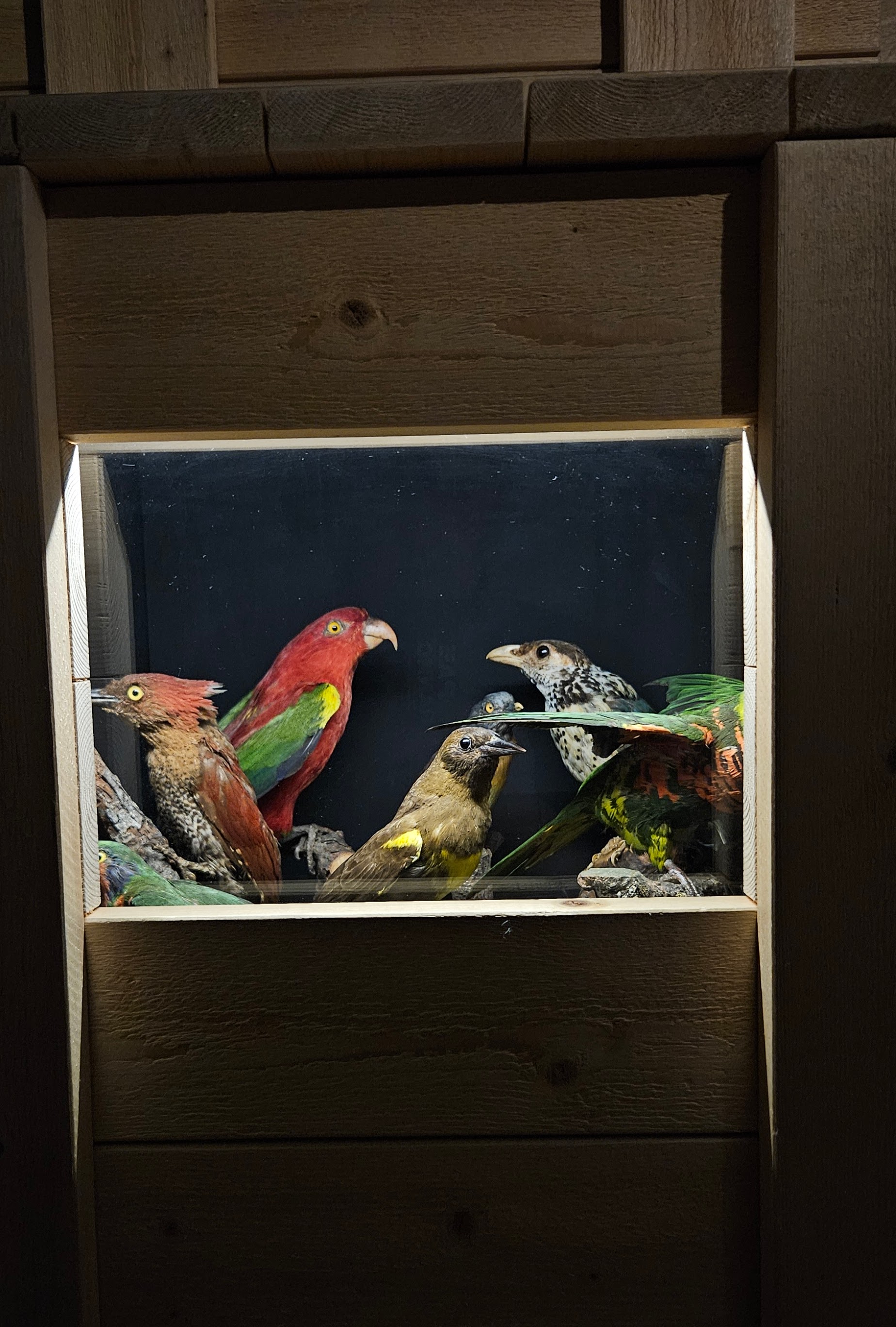
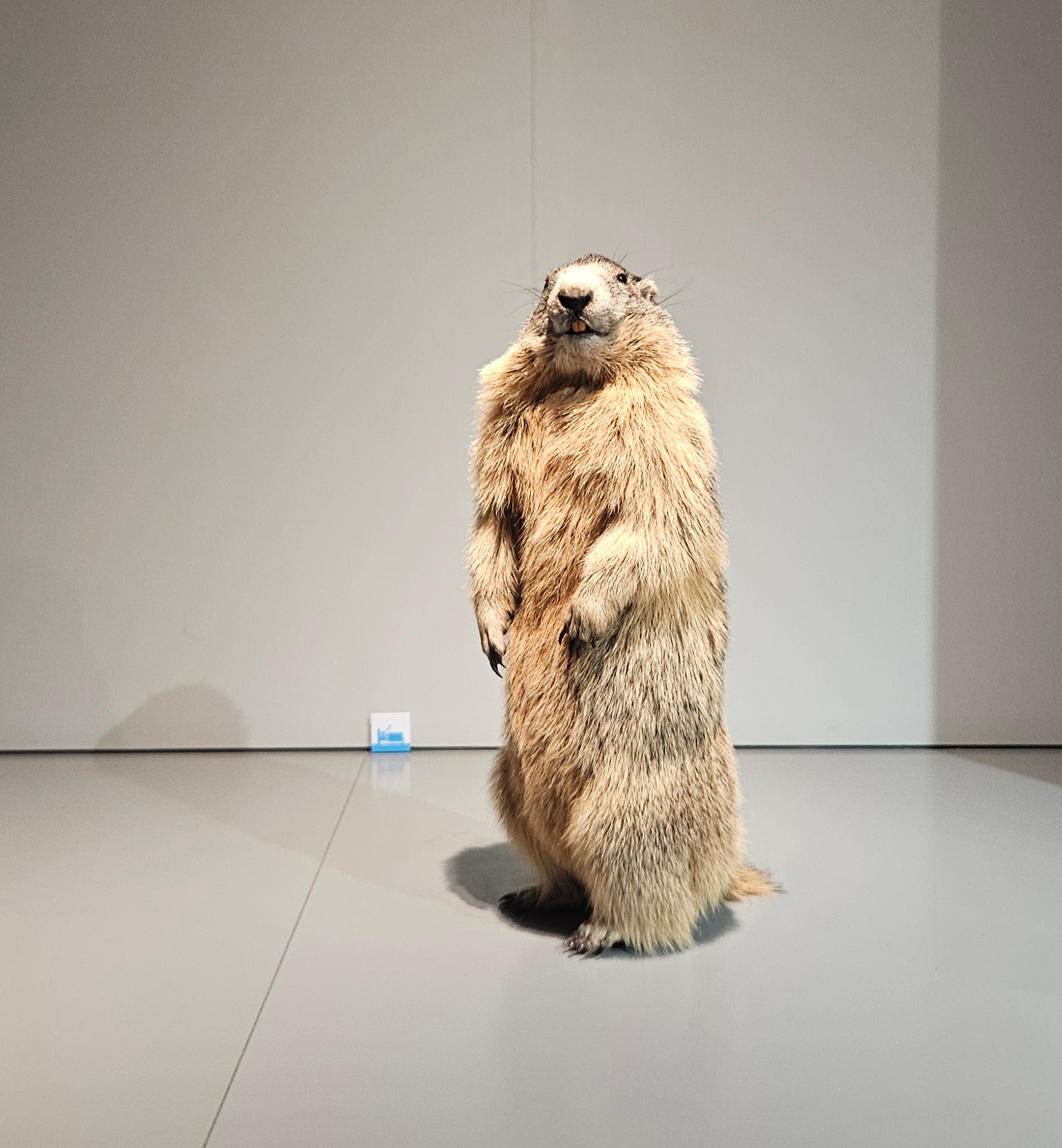
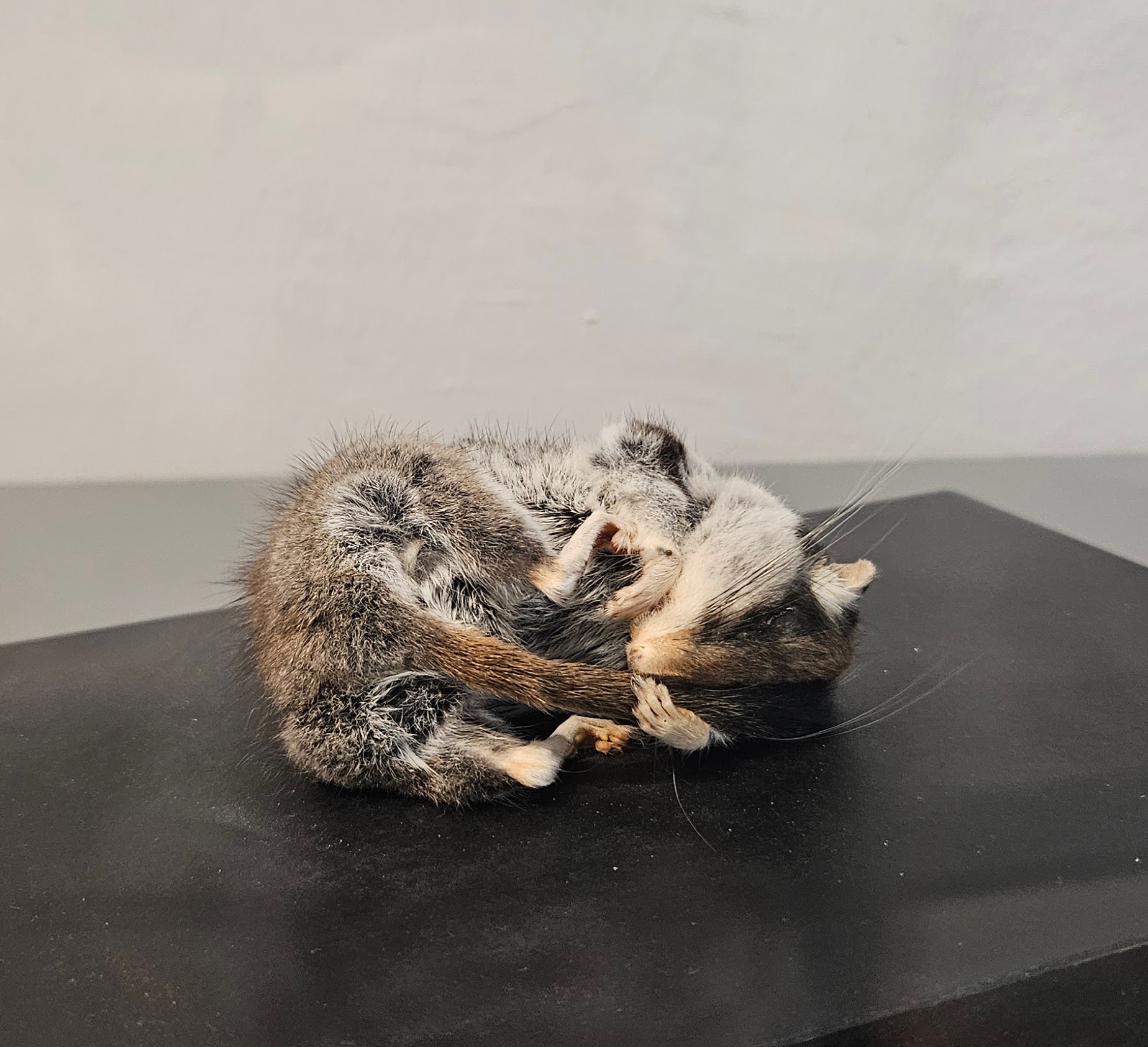
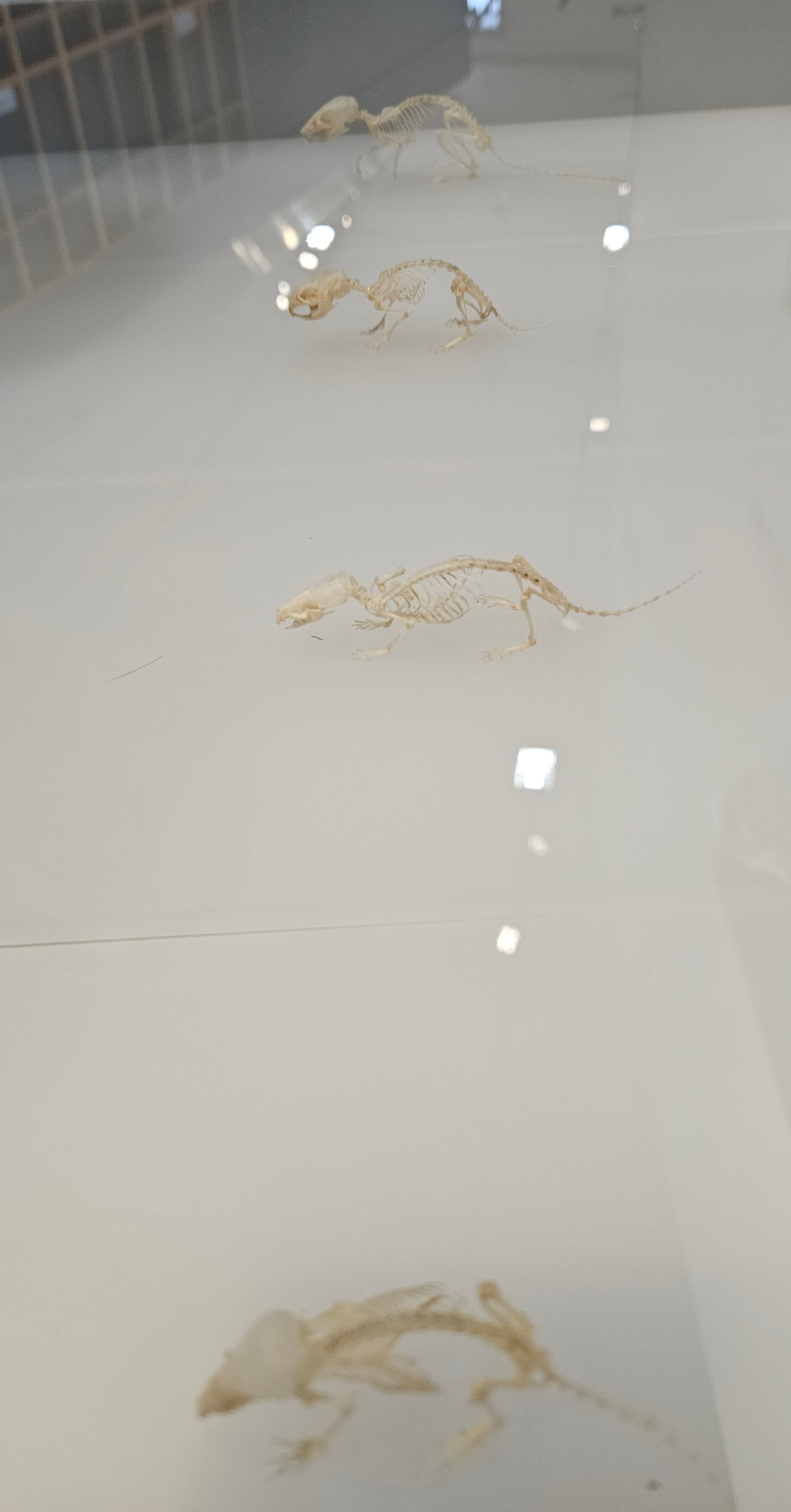
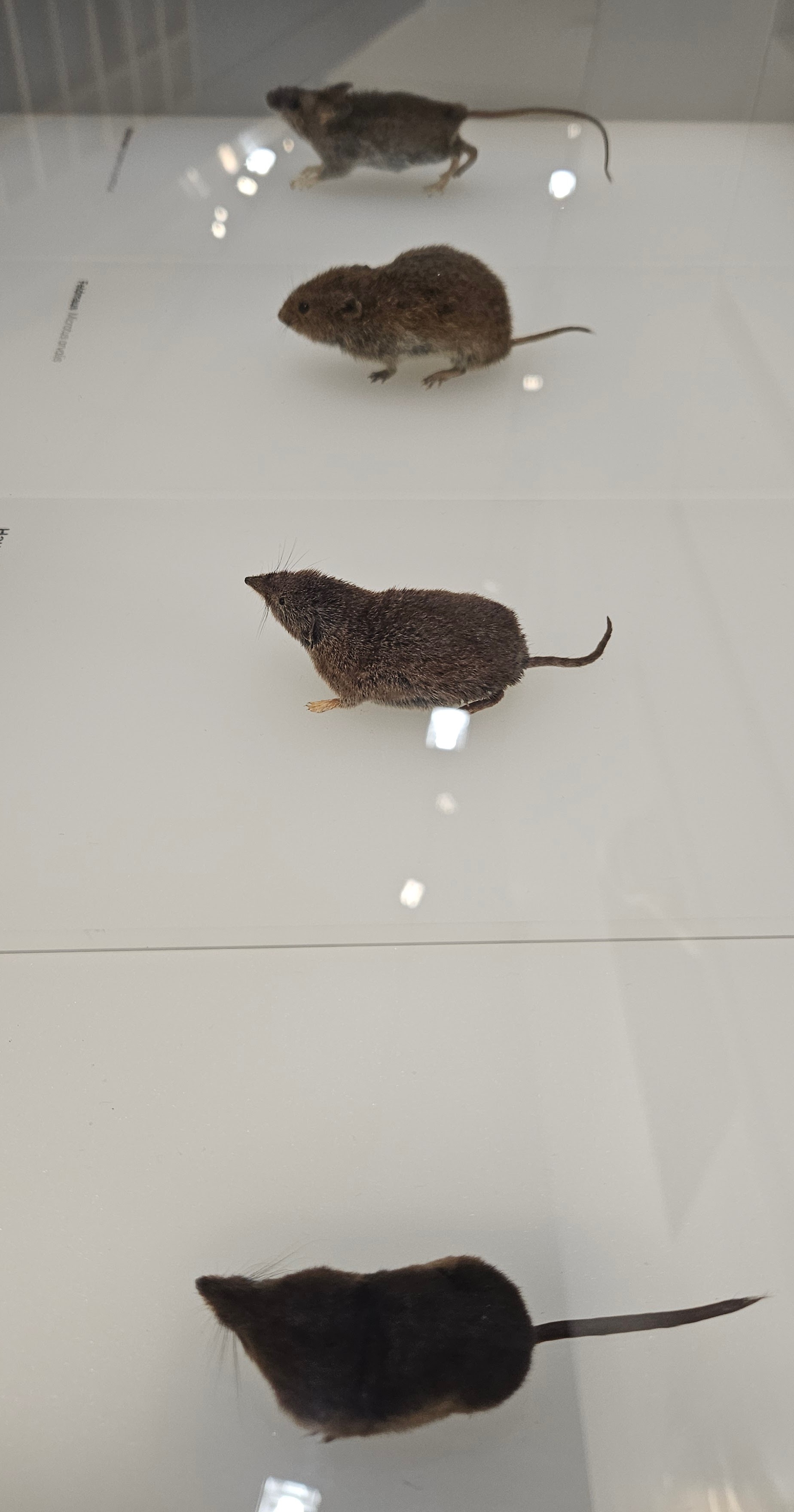
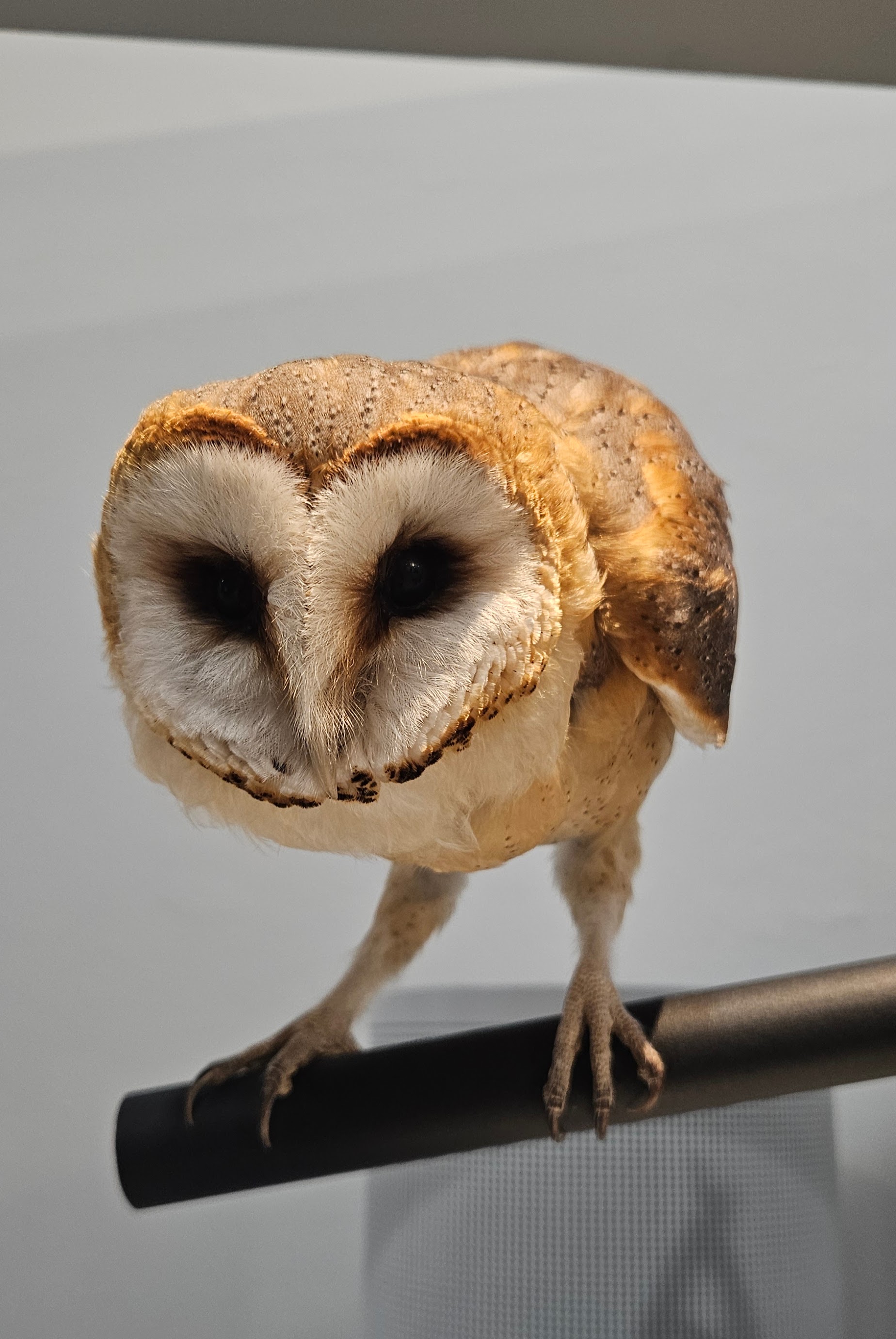
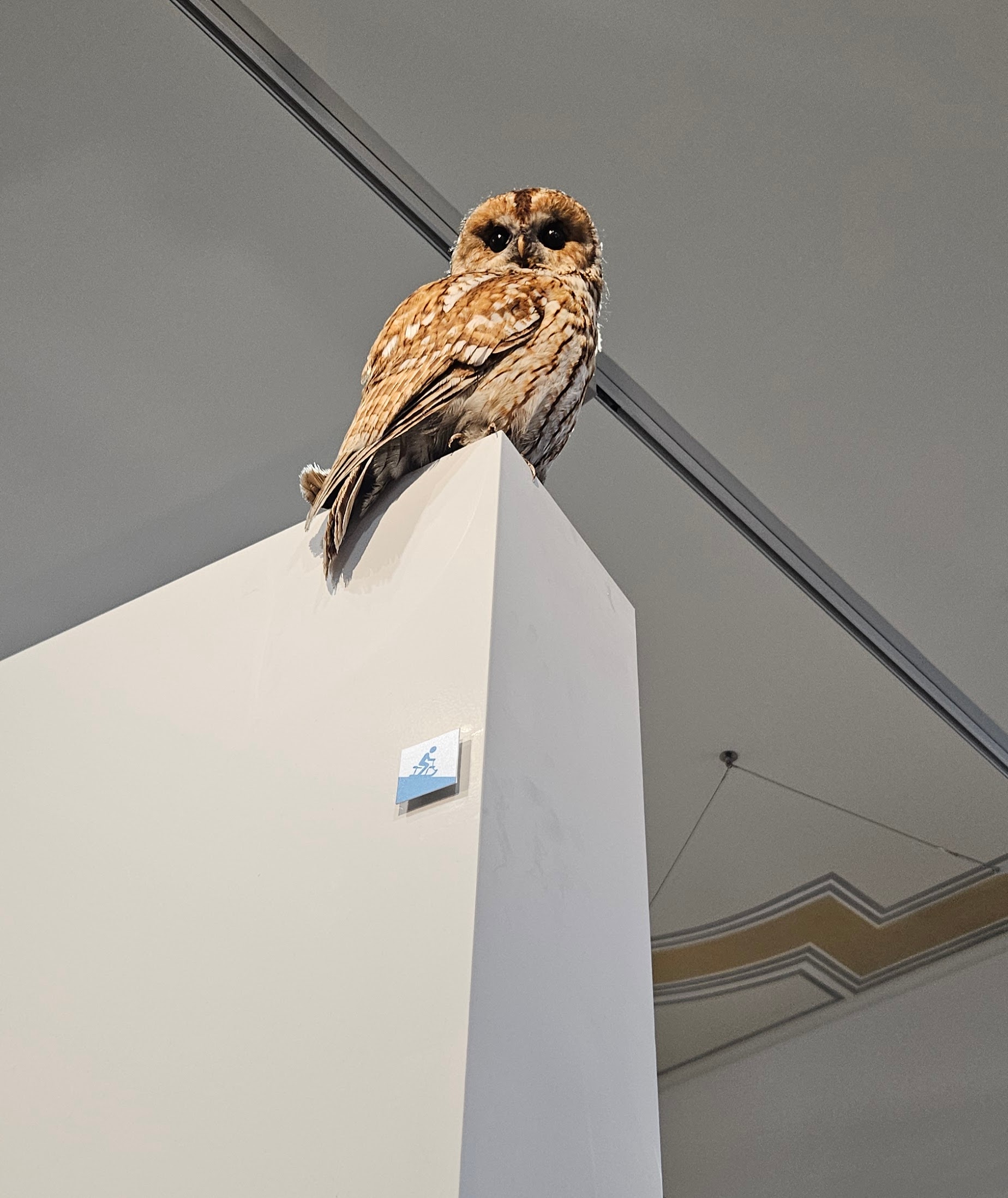
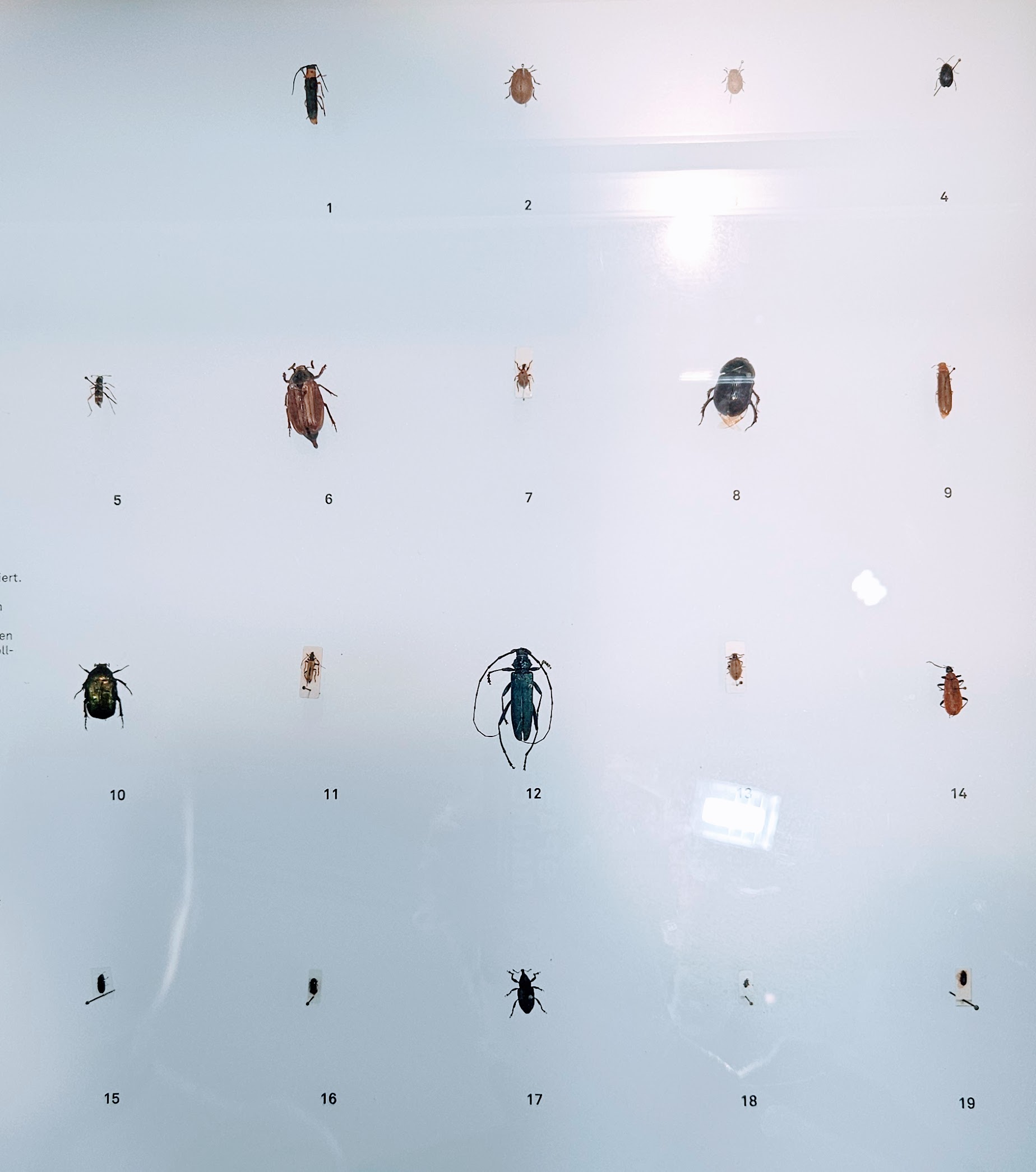
After the "ship", we explore the rest of the museum. We quickly realise that the museum is aimed at children and school classes: Countless drawers show exhibits so clearly that no additional explanations are necessary, various fur and rock samples encourage touching and many display cases at (children's) eye level make it easier to see and marvel. Where adults probably lack dates and in-depth information, the nature museum gives children very easy access to the local animal and plant world. The installation of the many birds that fly over the heads of visitors or sit on various ledges is very successful.

With its nature discovery centre and craft afternoons, the museum is a great place for a family outing. But also for enthusiastic adults like me and my girlfriend. We tried out, touched and marvelled at everything until we almost forgot about the "Ice Age" exhibition.

History of the museum:

The Winterthur Nature Museum looks back on a long history. in 1660, it was run as a natural history collection as part of the citizens' library. In addition to books and handwritten documents, it collected coins, historical artefacts, works of art, natural objects and curiosities of all kinds. One of the curiosities is the 3 metre long crocodile, which has been in the possession of the nature museum since 1664 and is still on display today. Following the professionalisation and independence of the natural history collection in 1861, the collection continued to grow. These mainly included animals from the Swiss Alps, plant exhibits and an ethnological collection, which was expanded by merchants from Winterthur with objects from India and the Far East, Africa and America in particular.

Upcoming events:

Science Slam: Wissenschaft trifft Comedy

Naturmuseum Winterthur

Science Slam: Wissenschaft trifft Comedy

Wahre Wissenschaft mit Witz und Würze - das ist Science Slam. Biologe und Science Slam Europameister Michael Morari bringt gleich ein Trio an ...

Das Naturfundbüro

Naturmuseum Winterthur

Das Naturfundbüro

Selbst ein Objekt zur Bestimmung vorbeibringen. Ab sofort sind auch alle Objekte der Naturfundbürosammlung digital einsehbar unter www.naturfundbuero.ch. ...

Museum - wie es mir gefällt!

Naturmuseum Winterthur

Museum - wie es mir gefällt!

Schon immer haben Menschen gesammelt und ihre Funde gezeigt. So entstanden Wunderkammern und daraus die ersten Museen. Was ist ein Museum? Was ist ein ...

Permanent exhibition

Open Drawing

Naturmuseum Winterthur

Open Drawing

Do you enjoy exploring animals and objects through drawing? Would you like to delve into lines, shapes and spaces? To kick off the evening, you’ll each ...

27.10.2026  |  18:30

More dates available

Invitation to the opening

Naturmuseum Winterthur

Invitation to the opening

Many people are familiar with chickens mainly as fried eggs or chicken nuggets. However, knowledge about one of our most important farm animals is often ...

07.11.2026  |  16:30

Curators’ Café – Egg Stories: x out of 165,000 objects

Naturmuseum Winterthur

Curators’ Café – Egg Stories: x out of 165,000 objects

How do we preserve eggs and birds’ nests in the collection? What challenges arise when it comes to taxidermy and pest control for this collection? These ...

29.11.2026  |  10:30

Published from Gretta Bott on September 19, 2024.

More from our scouts

Experimental? Unconventional? Yes, please!
26.02.2026

Experimental? Unconventional? Yes, please!

A guide to musical experimentation in concerts, performances, installations and film – everything an experimental heart and ear could desire.

Talisa Walser
Talisa Walser
Film recommendations for May
07.05.2026

Film recommendations for May

A blend of queer film history, political documentary and experimental visual worlds.

Nora Kehli
Nora Kehli
Literature for all
16.10.2025

Literature for all

Texts open up whole new worlds, and this October the world of texts is opening up in Zurich: a closer look at the anniversary programme for ‘Zürich liest’.

Silvan Preisig
Silvan Preisig

More from your scouts

Tatjana Blaser
Tatjana Blaser
Steffen Kolberg
Steffen Kolberg
Rebekka Bräm
Rebekka Bräm
Sonja Streifinger
Sonja Streifinger
Talisa Walser
Talisa Walser
Katharina Nill
Katharina Nill
All scouts